
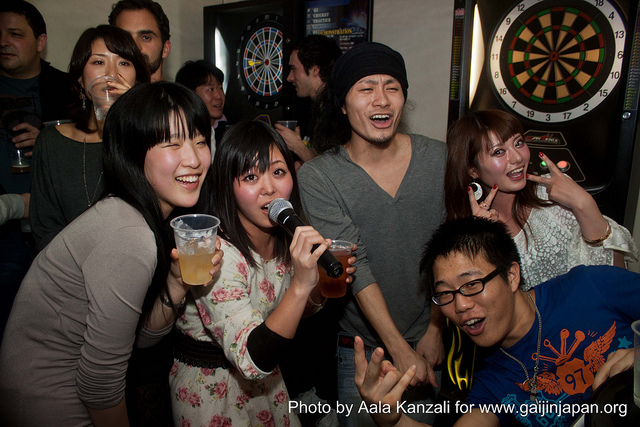
Voici une réponse aux préjugés que beaucoup ont sur les japonais. Nous avons tous des préjugés, des idées conçues, des images que nous nous faisons sur ce que nous ne connaissons pas. C’est très souvent le cas d’ailleurs pour le Japon.
La rigidité des Japonais :
Comme on le pense souvent, les japonais sont perçus comme étant stricts et rigide. De par mon expérience, je peux vous affirmer que cela est bien plus qu’une simple image. Au Japon, une règle est une règle et si elle a été mise en place c’est pour le bien de tous. Donc les règles sont respectées car le groupe passe avant l’individu. Par contre, malgré cette rigidité, parfois extrême, l’efficacité est présente au rendez-vous. Lorsqu’ils s’engagent pour quelque chose, c’est fait en temps et en heure.
L’omniprésence de l’honneur chez les Japonais :
On nous nous parle souvent de la présence, voir omniprésence d’un code de l’honneur au Japon. Au cours de la seconde guerre mondiale, il a été exacerbé par une dévotion totale du peuple (du moins sa plus grande majorité) à son empereur. Au Japon, l’image est importante, il ne faut pas déshonorer sa personne mais aussi les membres de sa famille. Réussir ses études est très important, par exemple. Si vous faites une chose qui porte atteinte à votre honneur, cela impact aussi votre famille.
C’est d’ailleurs pour ces raisons que les mères de familles n’hésitent pas à investir des sommes conséquentes pour des cours privés afin que leurs enfants puissent intégrer les meilleures écoles.
Les Japonais travaillent beaucoup
JQui n’a pas cette image du Japonais qui « meure au travail »? Oui les japonais travaillent beaucoup, du moins les hommes car les femmes sont assez préservées. Il n’est pas rare de voir des hommes (surtout les salarymen) rentrer très tard de leur travail.
Plusieurs facteurs expliquent cela :
- La nécessité de faire bonne impression : partir à l’heure est mal perçu et donne une image de fainéantise
- Un besoin financier : afin de financer les études des enfants, le mari doit travailler plus, surtout qu’en général la femme ne travaille plus dès qu’elle est enceinte
- L’entreprise avant la famille : il n’est pas rare de voir des hommes se dévouer plus pour leur entreprise que pour leur famille. J’ai d’ailleurs vu le cas d’un jeune qui n’a pas vu son père depuis plus de 5 ans car il travaillait sans cesse.
- L’homme ne se sent plus chez lui : à force de rester au travail sans cesse, l’homme ne se sens plus chez lui dans son doux foyer, il se sent plus en sécurité sur le lieu de travail avec les personnes qu’il côtoie en permanence.
Les japonais expriment leurs sentiments grâce à l’alcool
Oui, les Japonais ne partagent jamais leurs sentiments. Ils ne font jamais preuves de leurs expressions en public. Ce n’est pas une question de pudeur ou d’honneur mais plus parce que le silence est d’or. Les seuls fois où les japonais ne sont plus les mêmes, c’est sous l’emprise de l’alcool. Combien de fois il m’est arrivé de voir des Japonais bien plus expressifs et plus libérés lorsqu’ils sont ivres. Ce comportement s’explique par le fait qu’ils estiment que tout est oublié lorsqu’ils ne sont plus ivres
Le culte de la propreté au Japon
Le Japon et les japonais sont réputés pour être propre. Lorsque vous marchez dans les rues au Japon tout est si propre que vous pourriez vous assoir dans la rue sans craindre d’être trop sali. Toutefois, certains japonais, en privé, ne sont pas si propres que cela. J’ai vécu en colocation et je peux vous affirmer que des japonais savent se libérer chez eux et vivre dans un désordre sans nom.
Les conditions de la femme et les mariages forcés au Japon
C’est connu, les femmes ne sont pas réellement les égales des hommes. Oui au Japon les femmes sont censées rester à la maison lorsqu’elles sont mariées et ont un enfant. Mais les choses changent petit à petit. Avant, le processus voulait qu’une femme devait travailler jusqu’à son mariage et puis elle devait arrêter de travailler pour s’occuper de son foyer. Le mari, lui, devant se préoccuper de l’apport financier suffisant pour le foyer.
Au jour d’aujourd’hui, il y à beaucoup moins de mariages forcés au Japon, mais il y à des mariages par intérêts. J’entends par la des personnes qui se marient car le partenaire apporte une certaine valeur ajoutée en terme de revenus ou d’intellect. Une sorte de mariage sur CV.
Les touristes Japonais voyagent en « troupeau »
Beaucoup ont l’impression que les japonais voyagent ensemble. Et j’ai envie de dire que c’est le cas. Pourquoi ? Pour les raisons suivantes :
- Les Japonais aiment se sentir en sécurité et de ce fait, voyager avec des japonais, là où les japonais vont, les font se sentir en sécurité.
- Les agences de voyages japonaises sont très souvent propriétaires de lieux de tourisme à l’étranger, tels que des hôtels, des restaurants ou boutiques de souvenirs. Elles proposent donc des offres sur ces lieux et attirent ainsi les japonais. C’est notamment le cas de JTB.
- Les japonais font ce que la « masse » fait. J’entends par là que si quelque chose est populaire, la majorité des japonais le fera. Si vous rencontrez des japonais qui sont allés en France, demandez leur où ils sont allés et vous en aurez une majorité qui vous diront : Paris et le Mont Saint Michel.
- Les japonais n’aiment pas les surprises. J’entends par là que pour eux tout doit se dérouler comme prévu, et sans imprévu. C’est pour cela que voyager entre japonais, ceci facilite cela.
Les japonais sont fermés aux étrangers chez eux
Comme je le disais dans mon article intitulé Les Japonais et le Gaijin Complex, les japonais sont, en général, fermés aux étrangers sur leur territoire. Attention, cela ne veut pas dire qu’ils sont racistes mais plutôt nationalistes. Beaucoup d’entre eux estiment que leur culture est pure, tout autant que leur race, et ils ne veulent pas que tout cela se perde avec l’arrivée massive d’étrangers sur leur territoire. Je vous conseille de lire mon article les Japonais et le Gaijin Complex pour comprendre cela un peu mieux.
Attention, malgré cette fermeture, lorsque vous êtes touriste au Japon, vous ne ressentez pas réellement cela et vous êtes en général très bien accueilli.
Le paradoxe : nouvelles technologie / respect de la culture au Japon
Le Japon est définitivement le pays des paradoxes. Et si il y en à bien un qui est marquant, surtout à Tokyo, c’est ce mélange entre modernisme et culture Historique. Il n’est pas rare de voir des filles en Kimono ou Yukata dans les rues aux enseignes lumineuses et utilisant un téléphone portable. Un contraste très frappant et qui fait le charme de ce pays.
Je me suis toujours demandé comment ils faisaient pour arriver à faire tenir ces deux aspect ensemble. Le Japon c’est un peu le mélange de l’Histoire nippone avec une pointe de mode de vie américaine japonisée. Il faut le voir pour le croire.
Les perversions sexuelles au Japon
Voici un point qui créé des problèmes. Pour beaucoup, les filles japonaises sont des filles faciles (ce qui a donné naissance aux chasseurs de japonaises, ces étrangers ayant un fort penchant pour les Japonaises). Pourquoi ? Parce que les japonais renvoient une image de pervers sexuel très ouvert. Mais cela est faux. Les filles japonaises ne sont pas des filles faciles. Mais c’est vrai que les japonais sont plus « ouvert » sexuellement. Pourquoi ? Tout simplement du fait de leurs croyances religieuses.
En effet,Beaucoup de japonais vouent un culte à la religion Shinto. Dans la religion Shinto, le corps et l’esprit sont séparés, tout comme dans les autres grandes religions. Mais contrairement aux 3 grandes religions (Islam, Christianisme et Judaïsme) le bonheur du corps est tout aussi important que le bonheur de l’esprit. De ce fait, avoir des plaisirs sexuels est bien vu, contrairement au pays de l’occident (je vous invite à lire le livre Sex and the Japanese pour avoir une analyse plus complète du sujet). Ceci est une explication parmi tant d’autres, et pour ma part, je pense que c’est l’une des principales.
Pour vous rendre compte un peu mieux de cela, je vous invite à lire l’article suivant: Kanamara Matsuri à Kamasaki au Japon, le festival du pénis.
Voila donc pour mes réponses aux préjugés que nous avons souvent par rapport aux japonais. Ce sont des réponses par rapport à mon expérience et mes lectures. Comme vous pouvez le constater en lisant cet article sur les préjugés par rapport aux japonais et mes réponses, les idées reçues sur cette population sont souvent vraies, et parfois exagérées. Comme quoi on ne se fait pas des idées sur n’importe quelle base.
Et vous quels sont vos préjugés par rapport aux Japonais et que pensez-vous des réponses que j’ai apporté ?




C’est un article tout a fait objectif.
Les japonais sont effectivement rigides et c’est bien dommage. Car cela limite leur ouverture d’esprit. Cependant leur leur éducation ne les aident pas dans le bon sens. Lorsqu’on apprend a un enfant a être un « robot » il le devient forcement…
Pour ce qui est du travail, je tiens a préciser une chose. Il est vrai que la plupart des japonais travaille intensément beaucoup. Mais ça ne veut pas dire qu’ils travaillent de façon optimale. Beaucoup d’entre eux font des heures supplémentaires parce que tout le monde en fait, c’est le phénomène de groupe que tu as cité. Puis d’autre veulent gagner plus d’argent. dont font des heures supp.
Salut Eric, merci beaucoup. J’essaye de rester le plus objectif possible en montrant les bons et les moins bons aspects.
Et oui, je suis tout à fait d’accord avec ta précision, les Japonais ne travaillent pas nécessairement de façon optimale. Disons qu’ils sont efficace mais pas nécessairement efficient.
Permettez-moi d’intervenir, si vous pensez que les Japonais sont ouverts d’esprits et que leur éducation est mauvaise, vous vous trompez. C’est le contraire, et c’est cette « rigidité » qui leur permet de faire grandir leur pays. Qu’adviendrait-il du Japon si on y amenait le laxisme français ?
Salut Jeannot, merci pour ton commentaire et ton point du vue. Attention, je ne dis pas que leur éducation est mauvaise, loin de là. D’ailleurs existe-t-il un mauvais système d’éducation? Tous sont perfectibles…. Après il y à des différences entre chaque pays, chaque cultures et il faut les respecter.
ils veulent que leur cukture reste pûre hein? Et après elle s’étonne que la « relation serieuse » j’y vais franc comme un âne qui recule.
Ah c’est la vie, moi je dis il ne faut pas se prendre la tête avec ça 😉
je reste hyper méfiant quand même (même si au final c’est dans ma nature)
Ah il ne faut pas, juste profite sans te prendre la tête
je vais quand même m’y tenir, on sait jamais. mais leur rejet de l’étranger est assez selectif, au début ils me prennent tous pour un amerloque et se montrent parfois assez méfiants voire hautain (la guerre ne leur a pas laissé un très bon souvenir on dirait) mais il suffit que je leur révèle ma vraie nationalité pour voir un sourire illuminer leur visage. Mais bon, je vais quand même rester méfiant.
C’est clair que eux aussi ont beaucoup de préjugés sur nous. La majorité des Japonais identifient les étrangers (Gaijin) comme des Américains. Après personnellement, ça ne me perturbe pas trop …
ouais mais bon, c’est bien connu j’ai un caractère aussi explosif qu’affirmé, si quelqun n’aime pas trop ma présence, j’ai tendance à répondre par un cinglant « ah bon? ok j’me casse » tout en detruisant la moindre de mes contribution en represaille. C’est assez agressif et pour éviter ce genre de débordement je reste très circonspect, même si j’en connais une que ça enerve (ou effraie) passablement.
Ok je vois. Dans ce cas essaye de rester zen 😉
Je crois que tu as couvert une bonne partie des préjugés. Peut être rajouter que le japonnais sont fan de manga.
Mais là je crois que ce n’est plus un préjugé, c’est plus une affirmation.
Dis moi si je me trompe? 😉
Salut Kévin,
hum je pense (non excuse moi JE SUIS SÛR) que ce n’est pas un préjugés. Il suffit de voir le nombre de personnes qui en lisent et le nombres de magasins spécialisés, ainsi que leur taille 🙂
Un beau portrait d’une culture extrêmement complexe. A quand la même analyse pour tes chers compatriotes ?
Merci beaucoup Chris 😉 Un jour peut-être qui sait …
Ton article a l’air de bien couvrir le sujet. Ca correspond aux préjugés que j’avais en tête, sauf pour l’alcool, j’avais jamais pensé à ça. En même temps ça se comprend. Ca doit vraiment être intéressant de s’immerger dans une culture ausi différente. Le paradoxe tradition/modernité est très intéressant, c’est vraiment l’exemple type. Je n’arrive pas à penser à d’autres pays qui soient autant dans ce paradoxe!
Salut Lucie,
oui comme tu le dis si bien, le paradoxe modernité/tradition est extrêmement intéressant et c’est un des charmes du pays.
J’ai eu l’occasion de me rendre dans plusieurs pays au cours de ma vie et j’avoue que je ne trouve aucun pays qui soit réellement « proche » du Japon.
Hmmm… mais tu n’as pas détruit de préjugés, là… ^^ Par contre, je dois parler au sujet des femmes! Une de mes meilleures amies quand j’habitais aux Etats-Unis était Japonaise. Elle a quitté le pays vers la fin de ses études pour voir le monde et n’est plus rentrée depuis… Après avoir goûté à une culture moins « rigide », elle n’avait plus envie d’y vivre. J’ai aussi eu l’occasion de croiser deux Japonaises, voyageant seules. Et avec toutes ces rencontres, j’en ai retiré que, les Japonaises, qui subissent plus de pressions sociales (se marrer pas trop tard et avoir des enfants,ça reste important), lorsqu’elle ne se laisse pas couler dans le moule, elle font preuve d’une liberté étonnante. .
Le but n’est pas de détruire des préjugés ou pas mais de faire un comparatif entre ce que quelqu’un qui n’est jamais allé au Japon pense et ce que quelqu’un qui y a vécu ressent.
Oui les femmes ont peut-être moins de liberté et beaucoup, lorsqu’elles voyagent, veulent plus de celles-ci. Mais attention, cela est culturel et surtout, les hommes aussi n’ont pas tant de libertés que cela. J’entends par là, que dû au fait de leur mode de vie et aux codes très stricts, les hommes se doivent de travailler dur et longtemps pour subvenir aux besoins du foyer.
Je trouve que Chris soulève une excellente idée d’article à partager entre bloggeurs : « Les préjugés sur les Français vu par… » les Japonnais, les Thaïlandais, les Vietnamiens… que l’on pourrait reprendre sur nos blogs respectifs en interrogeant localement les habitants des pays concernés… A étudier!
Oui c’est clair que c’est une excellent idée en soit à laquelle je réfléchis aussi 🙂
Un autre préjugé (ou pas !) que j’ai déjà lu plusieurs fois :
La dentition des Japonais(es.)
Il me semble que j’avais déjà vu un article où les soins dentaires au Japon n’étaient pas top.
Toi qui vis là-bas, que penses-tu de ce préjugé ? C’est une question que je me pose souvent (va savoir… ^^)
Ce n’est pas un préjugé en soit mais attention, les canons de beauté ne sont pas les mêmes. Au Japon avoir une dent déplacé est un canon de beauté en soit et c’est d’ailleurs pour cela que ce n’est pas corrigé par les dentistes. Donc ce n’est pas un préjugé mais une réalité et c’est juste une différence de la beauté 🙂
Okay, merci pour la précision 🙂
De rien 🙂
Salut Aala
Dis moi j’ai une question à te demander. J’avais entendu que notre génération (Y) n’aimait pas d tout le modèle du salaryman (voir https://fr.wikipedia.org/wiki/Salaryman et beaucoup cherchent à un peu moins de conformisme et un peu plus d’épanouissement individuel. Mythe ou réalité?
Enfin, la société Japonaise détruit-elle par son hypercompétitivité beaucoup de destins? J’entendais que beaucoup d’élèves bossent jusque 3 heures de cours particuliers par jour pour réussir, sans compter les otakus enfermés dans leur monde virtuel?
Oui comme tu le dis on n’est pas fais pour le modèle du Salaryman, la génération Y, car on est la génération du zapping et que l’on ne reste que peux de temps en poste dans la même entreprises. C’est définitivement une réalité. Au Japon c’est beaucoup de conformisme et de groupe, donc très peu de place pour l’individualisme et l’épanouissement personnel.
Certainement que des destins sont détruit. Il faut voir le planning de certains élèves, c’est juste hallucinant: 6 heures de cours, 2 à 3 heures d’activités de club (sport, musique, …), cours privés … par jour et sans compter les heures de transports et les autres temps cachés.
Pour ce qui est des Otaku, c’est vraiment une catégorie à part entière pour certains d’entre eux. Des fois ils sont tellement à fond dedans, pour certains, qu’ils ne réalisent plus qu’il y à un monde réel autour d’eux. J’en ai croisé des comme ça.
Vous parlez d’un conformisme et d’un esprit de groupe très fort au Japon, mais un point me chicote, vis-à-vis de ça. Le Japon n’est-il pas sous la gouvernance d’un parti politique de droite? La droite politique couvrant serte l’aspect de la stagnation de certaines veilles »coutumes », appelons sa comme ça, ainsi que le profit industriel (dont les Japonais me semblent parti prenant). Il reste le fait que cette même idéologie politique prône l’individualisme et le droit individuel. En fait, c’est ce dernier point qui, je trouve, est en contradiction avec l’esprit Japonais de communauté dont vous parliez. Possible de m’éclairer sur ce sujet (enfin je demande pas un cours de politique Japonais, pas d’inquiétude XD)? Ou peut-être aurais-je mal interprété les données que j’ai trouver sur la politique du Japon? M’enfin, voilà :p.
Bonne question, personnellement, je ne me suis pas intéressé à la politique au Japon. Du moins pas encore. J’attends d’avoir suffisamment de connaissances en langues Japonaise pour le faire. Mais en ce qui concerne l’esprit de groupe, à ce que je sais, je ne pense pas qu’aucun partis politique prône un individualisme au Japon. Bien au contraire, dernièrement un grand patron appelait les jeunes japonais à délaisser la langue anglaise pour se concentrer sur le salut du pays et de leur nation.
culotté le loustic. d’autant que je ne crois pas qu’un replis sur soi même va les aider bien au contraire, pas à nôtre époque. ou alors ils abandonnent tout ce qui n’est pas de chez eux et alors la ça va pleurer. un conte arabe très amusant (l’homme qui n’aimait rien) envisage ce cas de figure.
Oui j’avoue que c’est très culotté mais pas rare en soit. Une amie Japonaise m’avait parlé de ça et elle me disait que cela lui faisait peur pour le futur du Japon.
en quoi? tout ce que les isolationnistes vont reussir à faire c’est creer un fossé infranchissable entre les générations. Les jeunes profitent de trop de choses qui vient de l’étranger, et puis ils ont accès à internet, mine de rien ça fait la différence.
Ben… Tu sais… Internet n’est pas la meilleure des options, en ce qui concerne l’accessibilité à une information fiable du reste du monde. Aussi, si je puis ajouter ceci: la Chine empêche ses citoyens et citoyennes d’avoir accès à bon nombre de sites internets. Il est très simple de biaiser l’information qu’internet peut amener ;a la population générale. Cela dit, l’isolation ne règle jamais rien, l’ouverture au reste du monde (lorsque bien gérer [dans le sens où les cultures ne s’entremêlent pas totalement) est une bonne chose en soit. C’est parfois en regardant les problèmes du voisin ainsi que ses bons côtés que l’on réussi soit-même à s’améliorer ou à trouver des voies d’améliorations. Aucune culture n’est parfaite et aucune culture n’est totalement imparfaite. Enfin… c’est mon point de vue.
Oui Internet n’est pas nécessairement la meilleure source d’informations, mais c’est celle qui permet la meilleure accessibilité. Certes certains pays ferme certaines sources, mais la majorité ne le font pas et donne une grande accessibilité comme jamais avant. Après il faut savoir trier le bon du mauvais, parce que depuis le Web 2.0 on trouve un peu tout et n’importe quoi sur le net.
Comme tu le dis, aucune culture n’est parfaite et nous sommes tous différent. Nous pouvons toujours nous améliorer, et selon moi, la première chose serait de commencer par accepter la différence des autres sans les juger sur cela.
On verra bien ce que le futur va nous donner …
naturellement, si ces gogos suppriment au maximum les interactions avec les cultures voisines, ils en patirons.
Seul le futur nous le dira au final
Salut Aala,
Es-tu déjà allé du côté d’Osaka ? Je ne sais pas si c’est particulier à la région mais pas mal de préjugés ne sont pas forcément vrai. Mes amis Japonais et personnes que je croisais dans les transports voir même en ville n’avait pas besoin d’alcool pour être ouvert et discuter et n’étaient pas du tout fermés aux étrangers, bien au contraire. J’ai rarement vu autant de générosité. Ce qui m’a marqué c’est qu’ils n’avaient aucun préjugé sur les autres. Et enfin, concernant les mangas, j’en ai pas croisé tant que ça qui était accrocs. Souvent j’en connaissais plus qu’eux 🙂
Salut Flo,
merci pour ton commentaire et ton retour d’expérience. Je ne suis pas encore allé à Osaka, mais c’est prévu.
J’ai souvent entendu dire que les personnes d’Osaka sont différentes, plus directes, plus conviviales et joviales qu’à Tokyo notamment.
Merci beaucoup pour ton partage 🙂
C’est avec plaisir ! J’espère que tu apprécieras autant que j’ai aimé et la région est très belle 🙂 (par contre je te le déconseille avant début/mi-septembre c’est un four d’humidité ^^).
Ok merci pour le conseil, j’en prends note 🙂
Nous sommes allé au Japon avec ces à-priori sans vraiment nous être intéressé à la culture japonaise. Après 4 mois en Asie, nous pensions nous retrouver dans du connu et être confronté au sérieux et à la rigueur japonaise.
Nous avons été bien surpris par ces magnifiques japonais toujours là pour rendre service, sourire, et faire tout leur possible pour ne pas nous décevoir.
Oui, les japonais sont absolument dingue d’animés, on les trouve de partout, à la télé, dans les publicités et même dans la vidéo de présentation à la bourse de Tokyo, fous!
Et pour couronner notre aventure japonais, nous avons eu la chance de rencontrer deux japonais dans un restaurant qui nous ont invité à danser dans un bar avec un groupe qui jouait de la musique des années 60. Trop ringard mais super ambiance générale (tout le monde se lâchait).
Pour découvrir la culture japonaise il faut y aller, c’est vraiment un monde à part que nous ne nous attendions pas à découvrir. Nous y retournerons très certainement.
Oui je suis tout à fait d’accord avec toi: pour la découvrir il faut y aller, c’est le meilleur moyen. 😀
Je me suis installée au Japon début juin. Jusqu’à présent, j’ai été agréablement surprise par leur gentillesse ! Je viens d’intégrer un orchestre amateur, les musiciens ont été tout de suite très sympas, font des efforts pour s’assurer que je comprends… A nous aussi, étrangers au Japon, de faire que les choses se passent au mieux : être ponctuel, donner un coup de main, être discret…
Salut Laetitia,
bienvenue au Japon, j’espère que tu vas t’y plaire et y vivre une excellente expérience. 😀
Les Japonais sont en majorité très serviable et gentil, tu verras. Et comme tu le dis, c’est aussi à nous de faire des efforts pour s’adapter à leur culture, et non pas le contraire.
C’est un très bon article (qui reflète bien ce que je ressens du Japon, pour y être depuis quelques jours).
Tu as l’air ouvert à l’apprentissage et aux autres cultures, et j’aimerais nuancer légèrement la phrase suivante : « Mais contrairement aux 3 grandes religions (Islam, Christianisme et Judaïsme) le bonheur du corps est tout aussi important que le bonheur de l’esprit ».
Sans ergoter plus que nécessaire, pour être musulman (et connaisseur de ma religion, qui me passionne), l’Islam ne condamne pas le bonheur du corps (contrairement à la théologie chrétienne, qui a ça en horreur) et le considère comme une pièce maîtresse de l’équilibre de vie. Le sexe est encouragé pratiquement sans restrictions (il n’y en a que trois, même si elles peuvent sembler très pesantes et lourdes d’obligations : mariage, pas de rapport anal ni de rapports pendant les règles). Dans le cadre de ces règles, le sexe peut être pratiqué sans restriction aucune, et il est très vivement encouragé.
Ca n’empêche pas, bien sûr, de constater que la plupart des croyants sont pour la majorité assez frustrés sexuellement. C’est un trait culturel qui n’a pas sa place en matière de religion – y compris les discussions sur le sexe et autres sujets considérés comme « tabous » par la société en-dehors de toute considération religieuse 🙂
Bonjour Shruikan,
merci pour ton commentaire et ton avis très constructif. Oui dans ma phrase, ce que je veux dire, c’est que les pratiquants en général tendent à faire une séparation des plaisirs du corps et des plaisirs de l’esprit, cela étant certainement dû à une interprétation des choses plus qu’une règle. C’est donc pour cela que nous avons, en général, une certaine distance par rapport aux rapports sexuels, contrairement au peuple japonais qui lui est bien plus ouvert d’esprit là-dessus.
En tout cas merci pour ton message et profites bien de ton séjour au Japon (fais signe si tu es sur Tokyo et que tu veux aller boire un verre) 😉
je suis à tokyo dans pas longtemps, ça te dirait qu’on s’en boive un ?
Oui bien sûr, on en discute par e-mail (je vais répondre au tien).
Bonsoir
Je tiens à préciser que cette pensée n’est pas la mienne, loin de là et je poste dans le but d’avoir confirmation de mon point de vue par une personne vivant sur place.
Un nouveau préjugé s’ajoute, que je ne partage, les Japonais sont non seulement des pervers, chose aussi souvent dites mais des prédateurs d’enfants et de mineurs, on prend pour exemple pour justifier ces dires les manga et les animes (ah stupidités) et la soit disant majorité sexuelle qui serait selon de nombreuses références internet 13 ans.
Donc je voudrais savoir ce qu’il en est de la protection et le respect des enfants au Japon, aussi bien que des personnes adolescentes. Ce que pensent généralement les civils de cette prédation?
Je ne vous demande pas de statistique car pour moi elles ne reflèteront pas plus celles de France ou d’Europe plus nombreuses par l’augmentation de victimes qui trouvent le courage de porter plainte et non un nombre plus important qu’avant.
(pardonnez moi si je suis confuse mais cette question depuis quelques années me turlupine et je n’ai toujours pas trouvé de réponse satisfaisante en dépit de mes recherches)
Merci par avance de la réponse que vous pourrez me faire.
Bonne journée, soirée dépendant du moment où vous lirez ma for étrange question, j’en conviens.
Bonsoir Simple Demoiselle,
voila une bien grande question. Dire qu’un tel ou un tel est pervers du fait de sa sexualité différente est peut-être un peu fort. Pour beaucoup les japonais sont des pervers, mais il ne faut pas oublier qu’ils ont un rapport au sexe qui est différent du notre, cela ne signifie pas pour autant qu’ils sont pervers.
En ce qui concerne les mangas et animés, je te confirme qu’il y à ce fantasme de la jeune fille innocente mise en avant à toute les sauces et que ce fantasme est exploité au travers des Maid Café et autres concepts du genre, notamment les AKB48. Mais un fantasme ne résulte pas toujours en acte.
Je ne connais pas la majorité sexuelle au Japon, mais je peux essayer de me renseigner pour cela. Enfin sur le sujet de la prédation des enfants, pour ma part, je n’ai pas entendu de cas de la sorte et je ne sais pas ce qu’il en ait. Peut-être que ça existe peut-être pas, je ne peux rien affirmer.
La chose dont j’ai souvent entendu parler est ce phénomène de jeunes filles, adolescentes, environ 16 à 20 ans, qui sortent avec des hommes plus agés pour des cadeaux et de l’argent (sac Prada ou Luis Vuitton, ….).
j’espère avoir un peu répondu à ta question.
Bonsoir et merci du temps que vous avez consacré à me répondre.
Je vois que vos connaissances sur la chose ressemblent à ce que j’ai pu glaner sur le net et ce que m’a dit ma contact qui est là bas depuis quelques temps. La question la réelle majorité sexuelle dans les faits, m’intéresserait oui.
Concernant le fantasme, il y a les équivalents en Europe et aux EU aussi donc, ça ne me choque et ne m’étonne pas plus que ça.
Je vois que les autres questions sont sûrement trop pointues, je vais rester sur mes certitudes pour le moment, j’aurais sans doute des confirmations un jour.
Les jeunes filles oui j’en ai entendues parler et quelque chose me dit que ce n’est pas spécifique au Japon, à mon humble avis.
Bien je vous remercie encore, continuez de profiter de ces échanges culturels, qui doivent être for riches.
Donc pour le reste, je vous serais reconnaissante si vous pouviez au moins m’éclairer sur la vraie majorité sexuelle Japonaise, ce qui semble le plus difficile à savoir.
SD
Salut,
alors je te confirmes que selon le code pénal japonais, article 176 et 177, l’âge légal de la majorité sexuelle au Japon est de 13 ans. Il se peut que certaines préfecture appliquent des âges légales de 18 ans ou autre.
Je ne me serais pas attendu à un âge aussi bas, mais bon chaque pays à sa propre culture.
Bonsoir Tunimaal (ou bonjour en fonction du moment où vous lirez mon message.
Merci du temps que vous avez consacré à ma question, après quelque chose me dit que la loi en question est vieille et plus vraiment appliquée, après n’étant pas sur place, je l’ignore.
Bonne continuation!
Bonjour,
de rien, au plaisir, et hésite pas si tu as d’autres questions et que je peux t’aider.
eh bien moi qui ai eu la chance d’aller au Japon, je trouve que les touristes y sont hyper bien accueillis ! les Japonais sont vraiment très serviables et n’hésitent pas à proposer leur aide à deux blondes dépitées devant le plan du métro en Japonais 😉 à chaque fois qu’on a demandé notre chemin, ils nous ont toujours aidées avec le sourire… allant même jusqu’à nous conduire à notre destination qui n’était pas forcément tout près ! je n’hésiterai pas une seule seconde à y retourner si j’en ai l’occasion !
C’est le genre de situations qui est très fréquente au Japon. De ce côté là il est clair qu’il n’y a rien à redire.
pour ce qui est de leur ‘rigidité’, de mon point de vue de touriste, c’était un vrai bonheur de visiter ce pays de gens civilisés et disciplinés… jamais une bousculade, jamais personne pour vous piquer votre place, un respect des autres permanent, pas de GSM qui hurle dans les transports publics (ni aucun lieu public d’ailleurs!)… bref, c’est quand on rentre en Europe qu’on se prend le véritable choc culturel en pleine figure avec les incivilités/non respect en tout genre de nos concitoyens !
C’est là où je trouve que les japonais sont assez fort: la gestion de l’apparence. Lorsque l’on reste peu de temps sur place, ils savent donner cette impression de perfection et de respect. Mais en vivant ici sur la durée on se rend vite compte qu’en faites ils ne sont pas si parfait que ça. Les bousculades sont légions dans le train au moment des rush, des femmes qui se maquille tellement fort qu’elles envoient de la poudre autour d’elle, …. Mais c’est clair que cela reste nettement mieux que dans beaucoup d’autres pays du monde.
je n’ai pas eu l’occasion de remarquer cela, pourtant on a quand même beaucoup pris les trains/métros (aux heures de pointes aussi) et je n’ai jamais remarqué de bousculade… les gens respectent même les emplacements pour laisser sortir les gens d’abord, etc… (inimaginable chez nous !) et le top du top: les trains étaient TOUJOURS à l’heure 🙂
Dommage haha …. Après ce n’est pas autant qu’en France, mais je te garantis que ce n’est pas parfait, et que les Salarymen sont parfois sans pitié.
Sinon je suis d’accord avec toi sur la qualité élevé de leurs services comparé à n’importe quel autre pays.
Vous me faites presque rêver quand vous parlez de transports en commun à l’heure et empruntés par des gens « civilisés ».
A paris, je profite de l’été pour faire quasiment tous mes déplacement à Vélo, je ne prend quasiment plus le métro et c’est un vrai bonheur. Les rares fois que j’y suis « forcé », c’est encore plus désagréable que ça ne l’était avant…
Tu m’étonnes. j’ai connu la galère parisienne et j’avoue que je suis bien ici à Tokyo (malgré les rush hours où tu es pire que serré et où tu ne peux même pas bouger)… Pas trop de souffrance. D’ailleurs, quand ton train est en retard tu as le droit à un petit mot d’excuse de la part de la compagnie ferroviaire que tu peux présenter à ton employeur ou ton école.
Article très intéressant ! (je découvre ton blog pour la première fois)
Moi même étant parti au Japon, j’ai pu me rendre compte de certains faits, que j’ai reconnu dans ton article (notamment les Japonais qui se désinhibent complètement avec la consommation d’alcool , ce qui a d’ailleurs donné lieu à des scènes très « comiques » ^^) ou encore la rigidité des japonais à l’égard du système, une société régit par des codes en somme.
Mais le Japon c’est aussi le pays des paradoxes, et c’est SURTOUT une expérience qui change notre regard de « Gaijin » à jamais:)
Salut Max, bienvenu sur mon blog et merci pour le com 😉
Oui je suis tout à fait d’accord avec ta dernière phrase. Je pense qu’elle résume beaucoup de choses à elle seule.
Il faut garder à l’esprit que beaucoup des points du vue sur le japon sont des généralitées, et aussi souvent une vision en « surface » des choses : on ne peut pas dire que tout les japonais sont comme ceci ou comme ça, car cela dépent aussi évidement des individus (de l’age, de la situation sociale, de l’expérience personelle…etc) comme dans n’importe quel autre pays. 🙂
D’ailleurs même si il y a des différences sur certains points, dans le fond, sur d’autres points ce n’est pas forcément si différent qu’ailleurs. (Je pense notament à la place de l’image qui sur certains aspects pourrait s’appliquer à pas mal de pays occidentaux, dont la france ).
Pour nuancer l’article, voici mon point de vue personnel sur quelques questions en particulier:
-La rigidité des Japonais :
je ne sais pas si le mot rigidité est le plus approprié en fait. Mais si il est vrai que les japonais ont tendance à respecter les règles, tous ne le font pas forcément! Je pense notament aux transports ou il est généralement de mise de laisser sa place aux personnes plus agées, ce qui en fonction de l’encombrement du train n’arrive pas forcément si souvent…et si il est vrai qu’il y a une règle qui implique que dans les transports on ne doit pas utiliser son portable pour telephoner, il arrive également de voir des japonais déroger à cela.
Les Japonais sont fermés aux étrangers chez eux:
Le japon n’est pas un pays aussi cosmopolite que la france et que les etats-unis. Pourtant il y pas mal de japonais curieux d’autres cultures et désireux d’echanger avec les étrangers, et ma connaissance je n’ai pas eu de retours négatifs de personnes y étant allés pour du tourisme ou de courtes périodes. Il y aussi des gens de divers pays, qui y vivent et apprécient leur vie sur place.
Les Japonais expriment leurs sentiments qu’avec l’alcool:
Les japonais ont tendance à etre beaucoup moins directs que les occidentaux dans leur rapports sociaux vis à vis des personnes avec lesquelles elles ne sont pas familières, et cela ne s’applique pas que vis a vis des étrangers mais entre japonais eux memes. Ce qui explique qu’en général, les japonais evitent de se lancer dans des débat d’idées ou de prendre des positions trop personnelles sur tel ou tel sujet avec un inconnu ou des personnes qu’elle connaissent depuis-peu.
L’omniprésence de l’honneur chez les Japonais :
Dans n’importe quelle culture, et selon les individus la place de « l’honneur » est aussi plus ou moins importante…cela peut se manifester de différentes manières au japon, mais à y regarder de plus près les différences sur ce point ne sont pas forcément aussi flagrantes qu’il n’y paraît…
Salut OOO et merci pour ton commentaire détaillé.
Comme tu le dis et je confirme, oui cela dépend bien sûr des individus. Après, les préjugés sont souvent construits un bout de réalité, parfois exagérée ou déformée, mais il y a quasiment toujours un peu de vérité dedans.
En ce qui concerne la rigidité, et c’est comme tout les aspects de la vie japonaise, c’est très paradoxal. Comme tu le soulignes, dans le train, les gens ont peu tendance à respecter les règles (comme si il s’agissait d’une sorte de jungle spatio-temporelle où beaucoup de choses sont tolérées). Mais sinon, dès que c’est dans le cadre du travail, la rigidité est de mise et les passe-droit sont quasi inexistant.
En ce qui concerne la fermeture des japonais aux étrangers chez eux, c’est un fait prouvé par les statistiques: 84% des japonais ne veulent pas d’étrangers chez eux dont 48% sous aucun prétexte. Si tu fais le même sondage dans n’importe quel pays, je suis sûr que le Japon emporte la palme et de loin. Après, il faut aussi faire attention à confondre « vécu » touristique et « vécu » longue durée. Lorsque l’on est de passage dans un pays on ne voit que le positif et ce qui est touristique, dont adapté aux étrangers. Mais lorsque l’on y vit, c’est tout autre chose. Et il suffit de regarder les très très nombreux témoignages d’étrangers vivant au Japon pour se rendre compte que une grande partie des japonais ne sont pas du tout ouvert aux étrangers.
En ce qui concerne l’alcool et l’expression des sentiments, comme tu le soulignes, les japonais sont peu expressif en public (Honne et Tatemae). Mais, et tu peux faire le test, dès qu’ils ont ingurgité de l’alcool, c’est autre chose. D’ailleurs il est commun au Japon de dire que ce qui est dit sous emprise de l’alcool est vite oublié et qu’il est donc possible de se lâcher plus. c’est notamment le cas durant les Bonenkai (ces soirées de fins d’années où on se lâche avant la nouvelle année et on célèbre à foison).
En ce qui concerne l’honneur, je suis d’accord avec toi sur le fait qu’il soit présent dans toutes les cultures. Mais il faut reconnaitre qu’il est beaucoup plus accentué chez les japonais que dans la grande majorité des autres cultures. Un japonais qui perd la face ou son honneur peut très facilement se suicider, un japonais « exclu » de son cercle social peut se suicider facilement, un japonais qui ne trouve pas de travail quand il faut en trouver un peut se suicider facilement… J’en passe et des meilleurs. l’honneur est omniprésent dans la culture japonaise et c’est d’ailleurs pour cela qu’ils cultivent l’art du Honne (pensée réelle mais privée) et Tatemae (pensée exprimée en public).
En fait comme je le l’ai dit dans mon précédent post, le problème est que le japon est un pays ou l’immigration à une part très faible (la population est a 98% japonaise si je ne me trompe pas). Et meme si il y a une part grandissante d’etrangers a tokyo et dans d’autres grands villes, la plupart des japonais moyens n’ont pour leur grande majorité jamais eu de contact réel avec un étranger. Pour le japonais de base, paradoxalement, l’etranger qu’il rencontre le plus souvent c’est le moins visible (chinois, coréen). L’etranger occidental est souvent assimilé a l’américain, et on présume qu’il sera seulement de passage et qu’il ne parle pas japonais.
il faut etre prudent avec les sondages car si il revèlent des tendances, ils ne reflètent pas forcément toute la réalité du terrain.
Par rapport à la différence tourisme/séjour longue durée, je suis d’accord, les deux sont différents. Les choses sont moins faciles quand on veut vivre sur place, il y a évidement l’aspect emploi qui rentre en jeu, le facteur d’adaptation à la vie sur place, et d’autres comme tout ce qui peut etre lié au visas.
pour les témoignages d’etrangers vivant/ayant vécu au japon, cela depent beaucoup des personnes elles memes, de leur profil, et d’autres raisons comme celle de leur venue. Le fait de parler la langue ou pas joue énormement. Je peux t’assurer que si tu recherches tu trouvera un nombre important de personnes y vivant ou y ayant vécues pour qui l’expérience s’est avérée positive, et cela indépendament de l’origine de la personne (j’ai pu notament voir le temoignages de personnes d’origine africaines qui y vivent et ne s »y sentent pas mal)
Après comme toute société au monde, le japon est bien sur loin d’etre parfait.
Salut OOO tout à fait d’accord avec toi sur les éléments que tu apportes là. Par contre, en ce qui concerne les africains, il faut aussi relativiser par rapport à leurs situations d’origines. En effet, très souvent ils vont fuir la misère dans leur pays d’origine, et il leur sera difficile de ne pas trouver mieux.